The days of the path
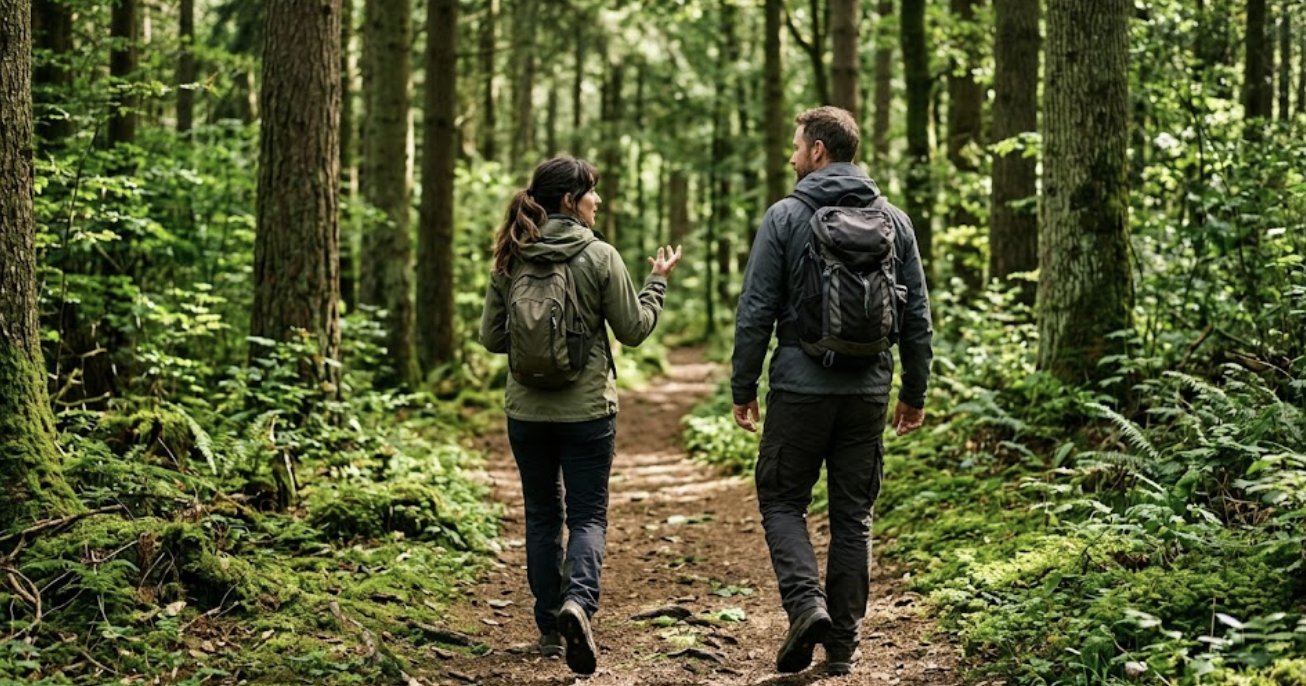
The path unfolds in stages that follow a natural rhythm, designed to guide you toward a clear goal: rediscovering direction through walking, or preparing for a bigger walk, such as Santiago, the Francigena, or the spiritual routes.
-
First stage
Listening and orientation
We gather your story and the moment you're going through. We define the starting point and the goal of your walk: a change, a release, a preparation, a search. This first meeting opens a way through: the walk becomes a concrete direction.
-
Second stage
Mindful walking
We walk side by side. We notice the rhythm of the step, the breath, what the landscape suggests. Movement opens, releases, clarifies. Here, walking becomes a tool.
-
Third stage
Gathering emotions
As we walk, emotions, memories and intuitions surface. We learn to recognize them, name them, and let them flow with respect. What emerges becomes precious material.
-
Fourth stage
Narrative and meaning
We turn what you've gathered into words. We give shape to the emotions, images and thoughts the walk has brought to light. Narrative becomes a bridge between what you feel and what you desire.
-
Fifth stage
Integration
We put the pieces together: what you've seen, what you've felt, what you've understood. We recognize the changes, the inner movements, the new directions. Here, walking becomes awareness.
-
Sixth stage
The walk as a goal
If your goal is an actual walk — Santiago, the Francigena, the spiritual routes — we work on mental and emotional preparation. We focus on expectations, motivations, inner resources, emotion management, the symbols of the journey, rhythm and intention. The walk becomes a rite of passage. You become ready to live it.
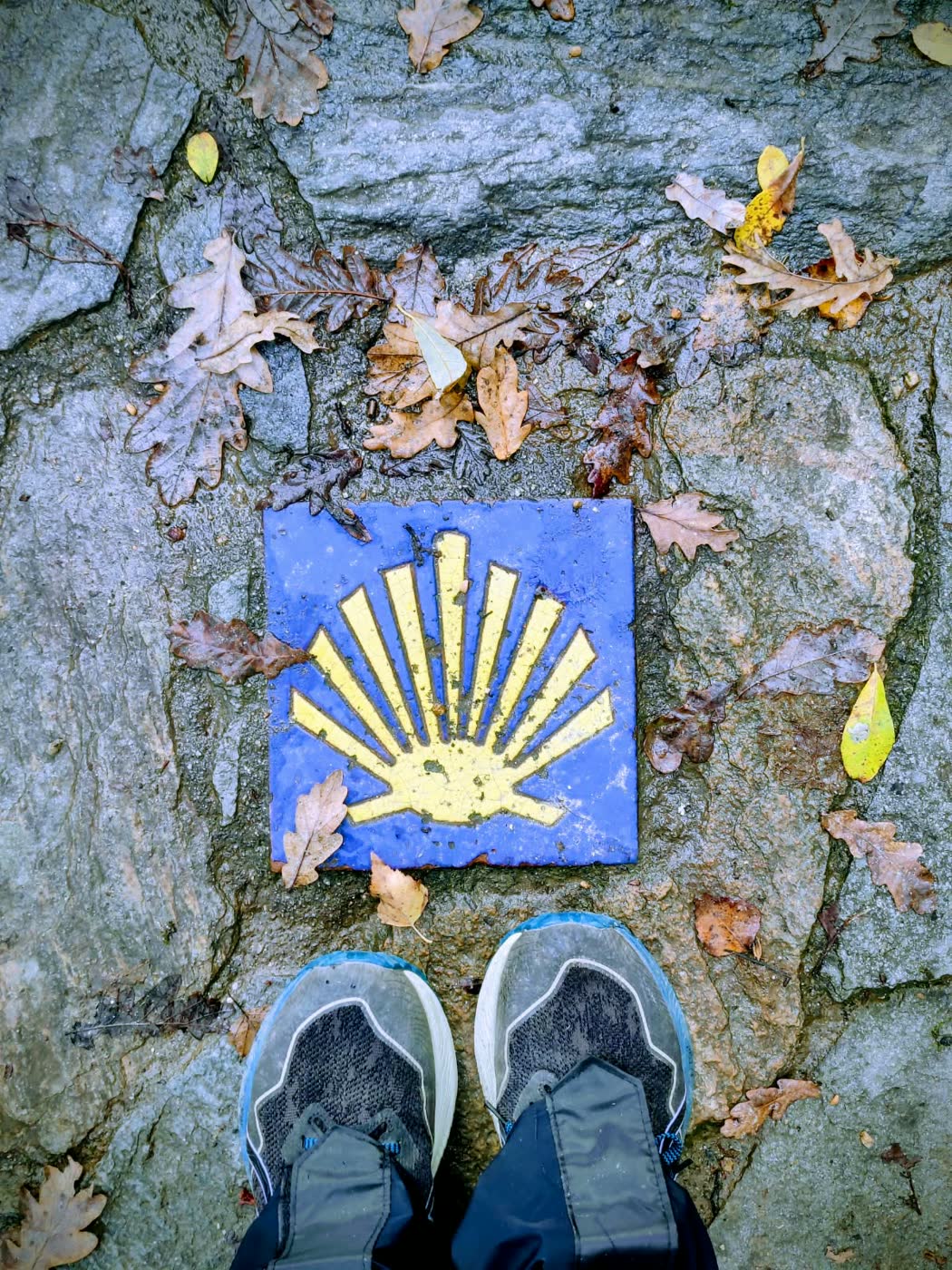
When the walk is a concrete direction
The shell and the yellow arrow accompany those walking toward Santiago. They don't tell you how far is left. They only say: this way.
That's what the sixth stage is for: turning an idea into a departure.
This structure is a foundation. The path can be shorter, longer, more intense or lighter. Every walk is unique, just like the person walking it.